How and When to Prune Forsythia So You Don't Ruin the Flowers

6.7K
199
79
2025-11-14
How and When to Prune Forsythia So You Don't Ruin the Flowers

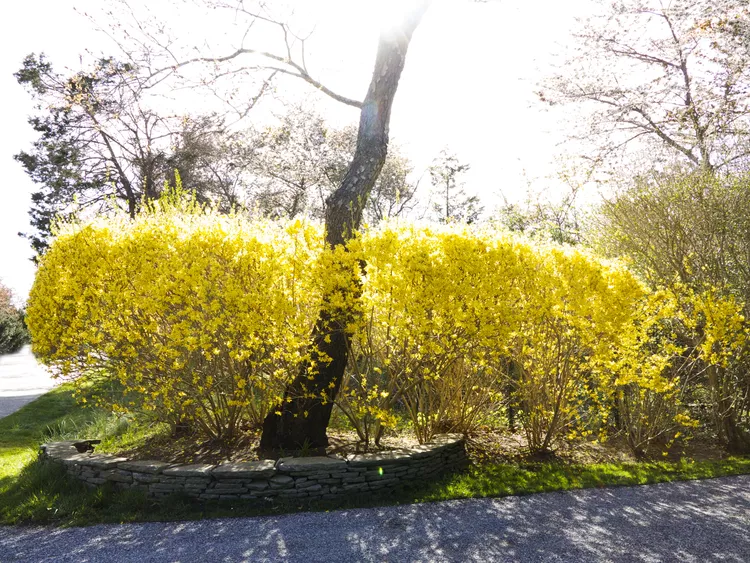
Knowing how and when to prune forsythia is critical for keeping this shrub healthy and its spring blooms bountiful. It's among the first shrubs to bloom in landscapes as winter begins to fade. The warm yellow flowers in cold, gray gardens are a reassuring sign that spring is near. But pruning at the wrong time could result in no flowers. Though this low-maintenance shrub doesn't need much from you after it's established in your landscape, these must-know pruning tips will help you enjoy plenty of flowers from your forsythia.

Why You Need to Prune Forsythia

Forsythia has a graceful, airy shape, but when left unpruned, this shrub can turn into a dense, unruly tangle of old branches that don’t bloom much. You'll have a bunch of sticks and leaves and only a few flowers. Pruning encourages the forsythia to grow new branches that bloom profusely.

Regular pruning of forsythia is also important for disease management. Increasing the airflow around the plant and exposing its branches to more sunlight reduces several plant diseases that can afflict forsythia. 

When to Prune Forsythia

Timing is key when pruning forsythia.

Cut back forsythia in mid-spring, after it blooms. Forsythia flowers appear from February to April, so you must prune the shrub no later than mid-June. Forsythia produces next year’s blooms on the previous year’s stems. If you cut off those stems in the summer or fall, you cut off next year’s flowering branches, and you’ll have a flowerless forsythia the following spring. 

Wait until new leaves show up before you prune. Forsythia flowers emerge before the leaves. So, the blooms are on bare branches. Don’t prune the forsythia until the flowers have faded and new leaves have appeared on the branches. If you prune before leaves appear, you can damage the plant. 

Types of Pruning

There are two types of forsythia pruning. The pruning you do depends on the age and condition of the plant.

Maintenance Pruning

Maintenance pruning is a light trim done on forsythia annually to keep the shrub in shape and blooming. This is when you remove dead wood and suckers, deadhead the flowers, trim the tips on blooming stems, and lop off the one or two largest branches. Do this type of pruning in the spring after the plant has flowered.

Rejuvenation Pruning

Rejuvenation pruning is a heavy pruning done on older shrubs that are leggy and overgrown. Rejuvenation pruning, also called hard pruning, can revive an old, overgrown forsythia that has been neglected. A rejuvenation prune involves cutting down a third of the shrub’s height to force it into a new cycle of growth. 

Do a rejuvenation pruning on forsythia when the plant is dormant. If you do a hard prune in the spring, forsythia branches bleed sap, which weakens it. 

A rejuvenation pruning interrupts the bloom cycle, which means you won’t get flowers in the spring, but it’s a short-term sacrifice for the long-term health of the plant. If you cannot bear the thought of a spring with no forsythia flowers but your shrub desperately needs a hard prune, cut back half of the shrub one year and the other half the following year. That way, you get a half shrub’s worth of forsythia and a half shrub’s worth of rejuvenating leaves and stems.

Tips for Pruning Forsythia

  1. Remove Large Branches: Use long-handled garden loppers to prune one or two of the largest branches in a forsythia bush each year. This allows sunlight and air into the center of the shrub, keeping it healthier and less likely to get fungal diseases.
  2. Remove Damaged and Weak Wood: Look for small stems and branches that are damaged, weak, diseased, or dead. Use a pair of sharp hand pruners to remove them. 
  3. Cut Back Stems That Just Flowered: With your hand pruners, cut off stems that just bloomed by one-half to encourage strong new growth for the rest of the season.
  4. Remove Suckers: Suckers are new plant shoots that grow from the base of the forsythia shrub. Over time, they crowd out the main stems and make the shrub look messy and shapeless. Cut the suckers off at the ground so the forsythia’s energy goes into growing leaves and flowers on its main stems.
Frequently Asked Questions

  • Can you prune a forsythia too much?

    No. Forsythia is such a fast-growing and hardy shrub that it’s forgiving of overzealous pruning. When you prune your forsythia is more important than how much you prune.

  • Is it OK to prune a forsythia shrub in freezing weather?

    Don’t prune forsythia when the temperature drops below 32°F. Extreme cold can scorch the branches you’ve pruned, blackening the tips or killing the entire branch.

  • Can I trim my forsythia with hedge trimmers?

    Don’t shear off the top of a forsythia shrub with hedge trimmers. The clipped branches put out dense, brushy new growth that doesn’t bloom well and looks unnatural. Forsythia should look graceful, with long, upright stems and an open, airy shape.

Related Article

How to Aerate Your Lawn for Healthy, Green Grass
27K
2.7K
1K

How to Aerate Your Lawn for Healthy, Green Grass

Learn how to aerate your lawn to encourage lush, verdant grass growth. Tips include when to aerate, methods for aeration, and preparation steps.
How to Get Rid of Moss in the Lawn and Prevent It From Returning
18.9K
189
54

How to Get Rid of Moss in the Lawn and Prevent It From Returning

Skip the herbicides and get rid of moss in the lawn with these eco-friendly tips.
Dog Urine Killing Your Lawn? This Seed Spot Repair Treatment Restores Grass Ruined by Pet Messes
21.8K
436
148

Dog Urine Killing Your Lawn? This Seed Spot Repair Treatment Restores Grass Ruined by Pet Messes

If dog urine is leaving spots in your lawn, the Scotts EZ Seed Dog Spot Repair treatment can restore grass ruined by pets in under one week. It’s easy to apply and only at Amazon.
How to Plant and Grow Lisianthus
40.6K
1.6K
373

How to Plant and Grow Lisianthus

Lisianthus flowers come in various romantic colors and add an elegant touch to any garden or floral arrangement.
4 Simple Ways to Keep Tulips From Drooping in a Vase
13.2K
394
177

4 Simple Ways to Keep Tulips From Drooping in a Vase

Learn how to keep your tulips from drooping with our handy tips, which include use of proper plant food, and flower pairings to avoid. Find out what to do with your vase for tulips to make the most of your blooms.
19 Perennial Plants for Cut Flowers to Fill Your Vases All Season Long
17.6K
1.2K
135

19 Perennial Plants for Cut Flowers to Fill Your Vases All Season Long

Grow these perennials in a cutting garden so you'll always have something to snip for fresh bouquets.
How and When to Plant Daffodil Bulbs to Enjoy Their Cheerful Spring Flowers
28.3K
2.8K
423

How and When to Plant Daffodil Bulbs to Enjoy Their Cheerful Spring Flowers

Learn the best timing and techniques for planting daffodil bulbs.
How to Get Rid of Cucumber Beetles on Your Plants
35.4K
353
102

How to Get Rid of Cucumber Beetles on Your Plants

Have you noticed little bugs on cucumber plants in your garden? Find out how to identify a cucumber beetle and prevent these insects from killing your cucumber, melon, squash, and other crops.
How to Control Japanese Garden Beetles When They Invade Your Yard
32.1K
963
298

How to Control Japanese Garden Beetles When They Invade Your Yard

Use this guide to identify and eliminate the voracious pests that leave plants with tattered foliage and banish their lawn-damaging larvae.
How to Stop Slugs from Chewing Holes in Hosta Leaves
31.9K
319
102

How to Stop Slugs from Chewing Holes in Hosta Leaves

If slugs are waging war on your hostas, fight back with these easy-to-execute strategies.
How to Attract Hummingbird Moths to Your Yard for a Fabulous Show
29.7K
1.5K
370

How to Attract Hummingbird Moths to Your Yard for a Fabulous Show

Hummingbird moths are fascinating to watch. Find out how to attract them to your garden.
8 Insect-Repelling Plants that Work Naturally to Send Bugs Packing
25.2K
1K
221

8 Insect-Repelling Plants that Work Naturally to Send Bugs Packing

Improve your time outdoors with a few strongly scented insect-repelling plants, which can send pesky biting bugs, like mosquitoes and flies, packing.
How to Get Rid of Grasshoppers So They Don't Eat Your Plants
44.1K
1.3K
238

How to Get Rid of Grasshoppers So They Don't Eat Your Plants

Grasshoppers have huge appetites. Use these tips for how to get rid of grasshoppers and keep them from devouring your garden.

8 Expert Tips on How to Keep Squirrels Out of Bird Feeders
21.3K
1.3K
421

8 Expert Tips on How to Keep Squirrels Out of Bird Feeders

These tips from experts on how to keep squirrels out of bird feeders ensure a cleaner outdoor space and only birds at your feeder.
How to Get Rid of Flea Beetles in Your Garden
47.3K
945
103

How to Get Rid of Flea Beetles in Your Garden

Learn how to identify, treat, and prevent flea beetle damage in your garden with this beginner-friendly guide.
How to Plant and Grow a Quaking Aspen Tree
2.1K
146
43

How to Plant and Grow a Quaking Aspen Tree

Quaking aspens are striking as fast-growing windbreaks, screens, and mass plantings. These cold-hardy trees grow almost 5 feet per year.
21 Best Types of Evergreen Shrubs to Grow for Year-Round Color
49.2K
983
432

21 Best Types of Evergreen Shrubs to Grow for Year-Round Color

Count on these low maintenance evergreen shrubs to provide color and structure in the landscape 365 days a year.
6 Must-Know Tips for Pruning Crape Myrtle Trees Correctly
49.1K
491
127

6 Must-Know Tips for Pruning Crape Myrtle Trees Correctly

Use these tips on pruning crape myrtle to ensure you trim with precision, enhancing the health and vibrancy of this flowering tree.
How to Plant and Grow Trumpet Vine
32.5K
1.6K
503

How to Plant and Grow Trumpet Vine

Learn to plant and grow trumpet vine, rugged plants with loads of bright trumpet-like blossoms. Use caution when planting—they're sometimes invasive.
How to Plant and Grow Saybrook Gold Juniper
14.3K
286
42

How to Plant and Grow Saybrook Gold Juniper

Saybrook Gold juniper is a low-growing, spreading shrub with golden-yellow foliage that turns bronze in the winter.