How to Get Rid of Flea Beetles in Your Garden

47.3K
945
103
2025-10-20
How to Get Rid of Flea Beetles in Your Garden

Flea beetles are troublesome insects that can cause a lot of damage to vegetable crops and ruin the appearance of leafy greens. If you’ve noticed tiny black bugs on your plants or your plant leaves are covered in small “shot holes,” you may be dealing with flea beetles. In this guide, you’ll find everything you need to organically get rid of flea beetle infestations and keep these pests out of your garden for good.

What are flea beetles?

Flea beetles are named for their miniscule size and curious patterns of movement. When disturbed, these bugs use their long back legs to rapidly jump away, similar to their namesake insect. Flea beetles rarely measure over 1/8 inch long, and it can be difficult to spot them because they move so quickly.

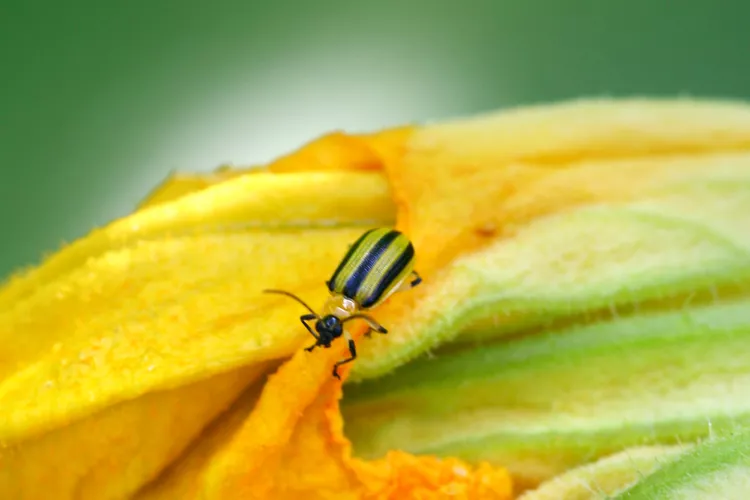
There are several different species of flea beetles and they come in a variety of different colors. Most commonly, flea beetles range in color from tan to black. Some species sport brighter tones and a few even have striped or spotted shells.

Adult flea beetles overwinter in garden debris and emerge in early spring when temperature reach about 50ºF. After breeding, flea beetles lay their eggs around the base of young plants. Young
flea beetles often feed on plant roots, while adults will riddle plant leaves with holes.

What do flea beetles eat?

Different types of flea beetles feed on different plants. Some flea beetle species are generalists and will target an assortment of plants; however, most species are specialists and only feed on a single type of plant.

In the garden, plants in the brassica family, like broccoli, cauliflower, and kale, are particularly susceptible to flea beetle damage. Flea beetles also love munching on the leaves of nightshade plants, such as tomatoes, peppers, and eggplants. The pests can be found on other food crops including squash, corn, and lettuce. Certain weeds may attract flea beetles, too, which is a good reason to stay on top of weeding.

What does flea beetle damage look like?

Because flea beetles are so small and fast-moving, it can be difficult to notice the bugs themselves in your garden. It’s usually a lot easier to tell that you're dealing with a flea beetle infestation by the damage they leave behind.

Flea beetle larvae feed on plant roots and usually don’t cause a lot of damage, although they may stunt seedling growth. Adult flea beetles, on the other hand, can be quite destructive. As they nibble on plants, they cause a mottled appearance to leaf surfaces and riddle leaves with tiny pits and holes.

Seedlings can be particularly vulnerable to flea beetle damage because the insects are most active in spring and they are drawn to tender, new leaves. Full-sized plants can normally withstand flea beetle damage; however, leafy greens won’t look as nice. The real problem with flea beetles is that they can transmit several common plant diseases, including blights and wilts, which can devastate
crops.

How to Get Rid of Flea Beetles

Once a flea beetle infestation is established in your garden, it’s important to act quickly in order to limit the damage. One of the easiest ways to address small infestations of flea beetles is to spray your plants with an organic insecticidal soap or neem oil spray. These sprays should be applied in the evening after the sun sets to avoid leaf burn. If you’d like to make your own insecticidal soap spray, simply mix a few drops of Castile soap into a quart of water and add a tablespoon or two of neem oil.

Kaolin clay is another useful organic treatment option for flea beetles and other plant pests. To apply, blend kaolin clay powder with water according to label directions. Then spray the mixture over any infested plants on a dry day. Once in place, kaolin clay makes it difficult for pests to feed on plants and it prevents egg laying too.

Tips for Preventing Flea Beetles

The keys to keeping flea beetles and other garden pests under control are practicing good garden maintenance and making smart planting choices.

  • If your garden suffered from a flea beetle invasion in previous years, be sure to clean up any infected plant debris before planting again. Also consider tilling your soil if the infestation was very bad.
  • Set up floating row covers early in the season to protect your garden from flea beetles and other insects.
  • Delay planting seeds and seedlings for a few weeks in spring. This can starve out flea beetles and keep your new plants safe.
  • Companion planting is an easy, all-natural way to deter flea beetles. For example, these insects avoid aromatic plants such as catnip and green onions, and will often also avoid any nearby plants.
  • Grow flowering plants to attract beneficial insects that will naturally feed on flea beetles. Good options include planting dill and sweet alyssum near the veggies you want to protect.
  • Sow a trap crop like radishes to lure flea beetles away from more valuable produce and shield your leafy greens from damage.
Related Article

How to Aerate Your Lawn for Healthy, Green Grass
27K
2.7K
1K

How to Aerate Your Lawn for Healthy, Green Grass

Learn how to aerate your lawn to encourage lush, verdant grass growth. Tips include when to aerate, methods for aeration, and preparation steps.
How to Get Rid of Moss in the Lawn and Prevent It From Returning
18.9K
189
54

How to Get Rid of Moss in the Lawn and Prevent It From Returning

Skip the herbicides and get rid of moss in the lawn with these eco-friendly tips.
Dog Urine Killing Your Lawn? This Seed Spot Repair Treatment Restores Grass Ruined by Pet Messes
21.8K
436
148

Dog Urine Killing Your Lawn? This Seed Spot Repair Treatment Restores Grass Ruined by Pet Messes

If dog urine is leaving spots in your lawn, the Scotts EZ Seed Dog Spot Repair treatment can restore grass ruined by pets in under one week. It’s easy to apply and only at Amazon.
How to Plant and Grow Lisianthus
40.6K
1.6K
373

How to Plant and Grow Lisianthus

Lisianthus flowers come in various romantic colors and add an elegant touch to any garden or floral arrangement.
4 Simple Ways to Keep Tulips From Drooping in a Vase
13.2K
394
177

4 Simple Ways to Keep Tulips From Drooping in a Vase

Learn how to keep your tulips from drooping with our handy tips, which include use of proper plant food, and flower pairings to avoid. Find out what to do with your vase for tulips to make the most of your blooms.
19 Perennial Plants for Cut Flowers to Fill Your Vases All Season Long
17.6K
1.2K
135

19 Perennial Plants for Cut Flowers to Fill Your Vases All Season Long

Grow these perennials in a cutting garden so you'll always have something to snip for fresh bouquets.
How and When to Plant Daffodil Bulbs to Enjoy Their Cheerful Spring Flowers
28.3K
2.8K
423

How and When to Plant Daffodil Bulbs to Enjoy Their Cheerful Spring Flowers

Learn the best timing and techniques for planting daffodil bulbs.
How to Get Rid of Cucumber Beetles on Your Plants
35.4K
353
102

How to Get Rid of Cucumber Beetles on Your Plants

Have you noticed little bugs on cucumber plants in your garden? Find out how to identify a cucumber beetle and prevent these insects from killing your cucumber, melon, squash, and other crops.
How to Control Japanese Garden Beetles When They Invade Your Yard
32.1K
963
298

How to Control Japanese Garden Beetles When They Invade Your Yard

Use this guide to identify and eliminate the voracious pests that leave plants with tattered foliage and banish their lawn-damaging larvae.
How to Stop Slugs from Chewing Holes in Hosta Leaves
31.9K
319
102

How to Stop Slugs from Chewing Holes in Hosta Leaves

If slugs are waging war on your hostas, fight back with these easy-to-execute strategies.
How to Attract Hummingbird Moths to Your Yard for a Fabulous Show
29.7K
1.5K
370

How to Attract Hummingbird Moths to Your Yard for a Fabulous Show

Hummingbird moths are fascinating to watch. Find out how to attract them to your garden.
8 Insect-Repelling Plants that Work Naturally to Send Bugs Packing
25.2K
1K
221

8 Insect-Repelling Plants that Work Naturally to Send Bugs Packing

Improve your time outdoors with a few strongly scented insect-repelling plants, which can send pesky biting bugs, like mosquitoes and flies, packing.
How to Get Rid of Grasshoppers So They Don't Eat Your Plants
44.1K
1.3K
238

How to Get Rid of Grasshoppers So They Don't Eat Your Plants

Grasshoppers have huge appetites. Use these tips for how to get rid of grasshoppers and keep them from devouring your garden.

8 Expert Tips on How to Keep Squirrels Out of Bird Feeders
21.3K
1.3K
421

8 Expert Tips on How to Keep Squirrels Out of Bird Feeders

These tips from experts on how to keep squirrels out of bird feeders ensure a cleaner outdoor space and only birds at your feeder.
How to Get Rid of Flea Beetles in Your Garden
47.3K
945
103

How to Get Rid of Flea Beetles in Your Garden

Learn how to identify, treat, and prevent flea beetle damage in your garden with this beginner-friendly guide.
How to Plant and Grow a Quaking Aspen Tree
2.1K
146
43

How to Plant and Grow a Quaking Aspen Tree

Quaking aspens are striking as fast-growing windbreaks, screens, and mass plantings. These cold-hardy trees grow almost 5 feet per year.
21 Best Types of Evergreen Shrubs to Grow for Year-Round Color
49.2K
983
432

21 Best Types of Evergreen Shrubs to Grow for Year-Round Color

Count on these low maintenance evergreen shrubs to provide color and structure in the landscape 365 days a year.
6 Must-Know Tips for Pruning Crape Myrtle Trees Correctly
49.1K
491
127

6 Must-Know Tips for Pruning Crape Myrtle Trees Correctly

Use these tips on pruning crape myrtle to ensure you trim with precision, enhancing the health and vibrancy of this flowering tree.
How to Plant and Grow Trumpet Vine
32.5K
1.6K
503

How to Plant and Grow Trumpet Vine

Learn to plant and grow trumpet vine, rugged plants with loads of bright trumpet-like blossoms. Use caution when planting—they're sometimes invasive.
How to Plant and Grow Saybrook Gold Juniper
14.3K
286
42

How to Plant and Grow Saybrook Gold Juniper

Saybrook Gold juniper is a low-growing, spreading shrub with golden-yellow foliage that turns bronze in the winter.