
Japanese beetles (Popillia japonica) are invasive insects that first turned up in New Jersey in 1916 and have been leaving trails of destruction as they've spread from there. Now found as far west as the Rocky Mountains, these beetles will treat your garden like a smorgasbord, grazing on many kinds of plants. Unfortunately, they also like to invite other Japanese beetles to their feeding frenzy, leaving hole-riddled foliage and flowers (they're especially fond of roses) and distraught gardeners in their wake.
Japanese beetles also will destroy fruits and vegetables, and their larvae can damage lawns. Here's how you can evict any of these pesky bugs in your garden and reduce the damage they cause.
What Do Japanese Beetles Look Like?
Before you battle with Japanese beetles, make sure you recognize the enemy. These insects have an iridescent green head and thorax (the part of the body right behind the head) and glossy, copper-brown wing coverings that look almost metallic. One of the biggest giveaways that you're looking at a Japanese beetle is the small fuzzy white patches along both sides of the abdomen. Several look-alike beetles also have shiny metallic bodies but don't have white spots.
Japanese beetles skeletonize leaves by eating the tissue between the veins, so if you see ragged, lacy-looking foliage, that's another sign that you're dealing with these insects. The larvae, called white grubs, can cause brown, dead patches in a lawn that will pull up easily, just like a rug.
When to Look for Japanese Beetles
Start watching out for Japanese beetles in May or June, and continue looking for them into August. They are often actively feeding in the morning and late evening. They tend to be most active when temperatures are over 85°F, and the air is still, so keep an eye out for new beetles coming into your yard during these conditions. You might not see many beetles on cool, rainy days, but don't assume the beetles are gone. A warm, sunny day often will bring a resurgence.
It's a good idea to check for Japanese beetles regularly and control them immediately before they get out of hand. However, you may notice that the beetle population seems to explode in some years, no matter what you do, and in other years, they aren't as numerous.
What Do Japanese Beetles Eat?
These insects aren't too picky. They'll munch on hundreds of different plants, but in addition to roses, they seem to be especially fond of a few popular landscape plants such as crabapple, cherry, plum, birch, and elm. Japanese beetles are particularly problematic on fruits such as raspberries, grapes, currants, and apples. However, while the beetles may ruin edible crops, feeding on ornamental plants is usually just cosmetic and won't kill them.
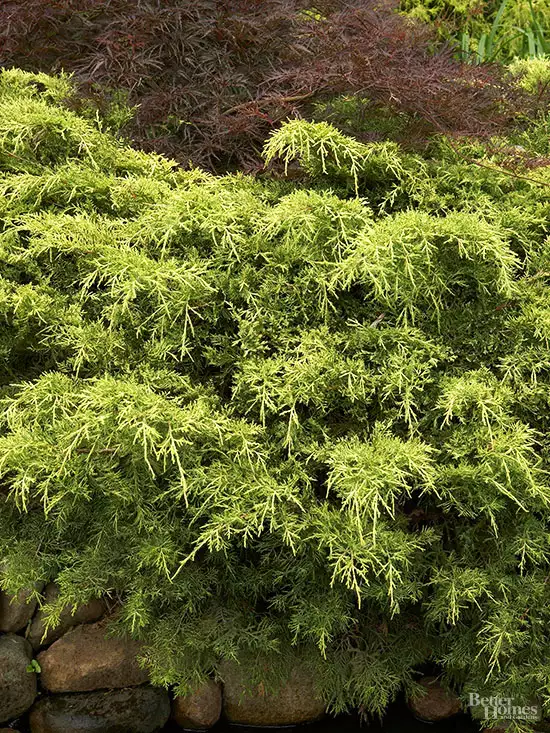
One way to avoid attracting Japanese beetles to your yard is to choose plants they don't favor. These include arborvitae, boxwood, dogwood, fir, juniper, lilac, oak, pine, redbud, and red maple.
How to Get Rid of Japanese Beetles
Like brown marmorated stink bugs, Japanese beetles release chemicals called pheromones into the air that attract more beetles. So if you see a few bugs around, it probably won't be long before many more join them. That's why quick action to eliminate these insects will help keep the problem manageable.
If you've only spotted a few, the safest and most inexpensive route to get rid of them is to pick them off your plants by hand. These bugs have a habit of dropping to the ground when disturbed, so you can avoid touching them by giving your plant a shake and holding a bucket of soapy water underneath to catch them, where they'll drown. You can also lay a drop cloth under your plant, shake the beetles onto it, and scoop them into the bucket.
You may want to try a pesticide for heavy infestations across many plants. Several products are effective at controlling Japanese beetles, but unfortunately, most chemicals in them harm important pollinators like bees and other beneficial insects like ladybugs. Less toxic options like neem-based pesticides can provide reasonable control, as can insecticidal soaps. These need to be sprayed directly on the beetles to work.
Are Japanese Beetle Traps a Good Idea?
The traps, which usually use pheromones and floral scents to lure in the beetles, are intended to draw the ones in your yard to their demise before they can start feeding on your plants. There's been quite a lot of debate on this topic over the years because of fears that the traps can end up making the problem worse. Research on the traps have had mixed results, but generally if the traps are set up and used correctly in a garden setting, they can be an effective option for controlling Japanese beetles.
How to Get Rid of Grubs
While adult Japanese beetles cause the most damage, their larval form (grubs) can also cause lawn problems. Around August or September, the female beetles will begin laying eggs just beneath the soil surface in grassy areas. They'll hatch out quickly and start feeding on grass roots, sometimes to the point where you may notice brown, dead patches in your lawn. If you peel up a piece of sod in those areas, you'll likely find the culprits to be white, C-shape grubs. As temperatures cool toward winter, the grubs burrow deeper down to hibernate. Then, in spring, they'll come back up near the surface to feed on grass roots again.
Treating for the grubs will help reduce the number that emerges as adult beetles later. Several chemical pesticides are available, but two non-chemical options are safer options when used around pets, people, and pollinators. These include beneficial nematodes and a product known as milky spore, which is derived from bacteria.