Cuphea is a low-maintenance and heat-tolerant annual that blooms from late spring until frost without needing deadheading. In frost-free zones, it can be grown as a perennial. While the flowers of this plant may be small, they more than make up for their size in quantity.
Because of its small size and dense habit, cuphea makes the perfect addition to mixed containers and garden plantings without diminishing the effects of other plants. Cuphea also attracts hummingbirds and other pollinators.
Even though there are more than 250 species in the Cuphea genus, these plants from Central America are still considered a relative newcomer in the world of ornamental horticulture. In the past few years, breeders have introduced new varieties that create larger, showier flowers on plants with the same excellent heat tolerance and longevity as older varieties.
Cuphea Overview
| Genus Name | Cuphea spp. |
| Common Name | Cuphea |
| Plant Type | Annual |
| Light | Sun |
| Height | 1 to 3 feet |
| Width | 1 to 3 feet |
| Flower Color | Orange, Pink, Purple, Red, White, Yellow |
| Foliage Color | Blue/Green |
| Season Features | Fall Bloom, Spring Bloom, Summer Bloom |
| Special Features | Attracts Birds, Good for Containers, Low Maintenance |
| Zones | 10, 11, 8, 9 |
| Propagation | Seed, Stem Cuttings |
Where to Plant Cuphea
Cuphea loves hot, sunny locations and well-drained soil. However, during the hottest part of the afternoon, shade is preferable.
Cuphea is a fine addition to a garden bed or mixed containers. In warm climates, cuphea is also grown as an evergreen shrub. It attracts hummingbirds, so it is a good addition to a pollinator garden. In cold areas, move it inside for the winter and grow it as a houseplant.
How and When to Plant Cuphea
In the spring, when there is no more danger of frost, plant cuphea nursery plants in well-draining soil. Dig a hole twice the width of the container. Loosen the soil with a shovel and add compost before settling in the plant at the same depth it was in its container. Backfill the hole and firm the soil to avoid air pockets. Water well.
Space plants 10 to 18 inches apart depending on the variety.
Cuphea Care Tips
Light
Although some varieties may tolerate part shade, this annual likes full sun best. Full sun keeps cuphea (especially older varieties) from getting lanky and promotes the greatest number of blooms.
Place houseplants in a location where they receive ample sunlight, preferably from a south-facing window.
Soil and Water
While it prefers consistent moisture throughout the growing season, cuphea needs well-drained soil. Soil that is too wet leads to root rot.
Once this plant is established, it tolerates drought.
Temperature and Humidity
Native to the Americas, cuphea thrives in hot summer weather and tolerates humidity and drought.
Fertilizer
For the best, biggest, and most consistent display, fertilize cuphea regularly with a water-soluble fertilizer throughout the summer. For the amount to use, follow product label directions.
Pruning
There's no need to deadhead these plants. Occasional pruning or pinching back in late spring encourages a flush of new growth and keeps the plant well maintained.
The plant is a fast grower and may need pruning to keep it tidy indoors.
Potting and Repotting Cuphea
Because it is small and dense, cuphea makes an attractive potted plant and can even be grown as a houseplant. Make sure the pot has adequate drainage and use well-draining potting soil, as the stems will rot if the plant sits in soggy soil.
If grown as an annual, cuphea won't need repotting. Otherwise, repot it every spring once it has outgrows its pot. Opt for a container one size larger filled with fresh potting mix.
Pests and Problems
In general, cuphea plants are pest-resistant. They are occasionally bothered by Japanese beetles. Capture them in traps or collect them by hand in soapy water. If you find whiteflies and aphids on the plants, treat them with insecticidal soap or neem oil.
How to Propagate Cuphea
Most gardeners choose nursery plants when they add cuphea to their gardens. There is also the option to grow cuphea from seeds by sowing them outdoors in spring after the last frost or starting the seeds indoors 10 to 12 weeks before the last frost. In either case, press the seeds lightly into the soil or seed-starting mix, and don't cover them, as they require light for germination.
Cuphea can also be propagated with stem cuttings. In the spring or fall, cut 5 inches from a stem tip and remove any leaves from the bottom half of the cutting. Dip the bottom of the cutting in a rooting powder and insert it into a sterile soilless planting medium. Place a plastic bag over the pot with the cutting to increase the humidity, but remove it briefly every day or two to prevent condensation. Place the pot in a bright, warm location. When you see new leaves growing, move the seedling to a pot with nutrient-rich soil.
Some novelty plants and newer plant varieties are protected by plant patents or trademarks and may not be propagated in any form. Before propagating a plant, check the plant tag or research it online to make sure it is legal to propagate.
Types of Cuphea
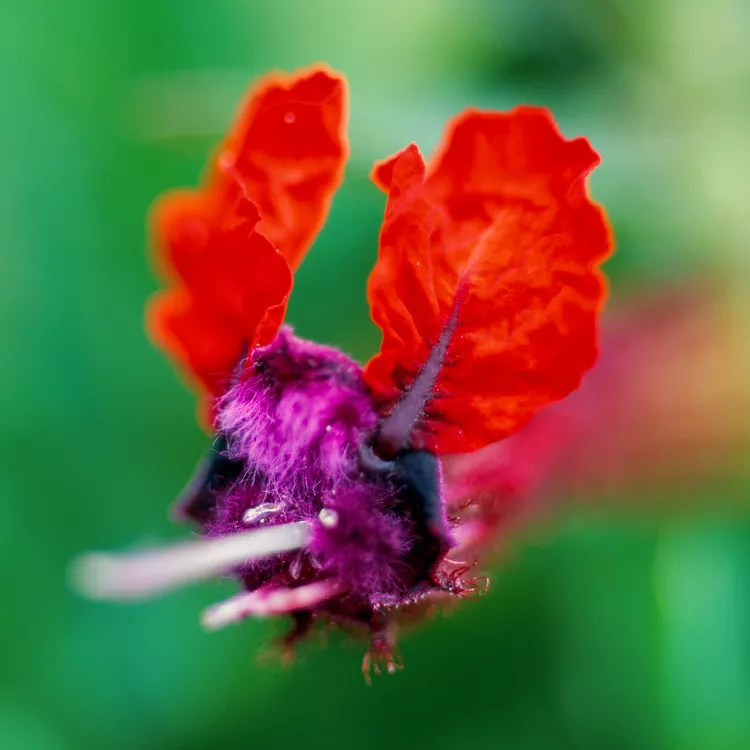
Cuphea comes in a wide variety of colors, shapes, and flower sizes. Its small, often tubular blossoms wear shades of orange, bright yellow, red, white, purple, and neon pink in differing combos. Many of these flowers feature large modified petals that give the appearance of ears. Up close, the flowers of some species resemble mice or bats, hence their common names mouse flower or bat flower.
'David Verity' Cigar Flower
Cuphea ignea 'David Verity' offers tube-shaped orange flowers all summer long on plants growing 3 feet tall. Zone 8-10
Candy Corn Plant
Cuphea micropetala is a Mexican species of cuphea that grows up to 3 feet tall and wide with stems covered in yellow and orange flowers loved by hummingbirds. Zone 7-10
'Flamenco Samba' Cuphea
'Flamenco Samba' is a cultivar of the bat-faced cuphea (Cuphea llavea) with rich, burgundy flowers that exhibit exceptionally large and showy petals, It blooms all season long. Zone 9-10
'Tiny Mice' Mouse Flower
Cuphea llavea 'Tiny Mice' is a cultivar of the bat-faced cuphea with crimson-red flowers on 18-inch-tall plants. Zone 9-11
'Totally Tempted' Mouse Flower
Cuphea llavea 'Totally Tempted' bears large crimson-pink flowers on 12-inch-tall plants. Zone 9-11
Mexican Heather
Cuphea hyssopifolia bears lavender-pink flowers on plants growing 2 feet tall. Zone 9-11
'Minnie Mouse' Cuphea
Cuphea 'Minnie Mouse' offers orange-and-purple flowers on a plant that grows 3 feet tall. Zone 9-11
'Vermillionaire' Cuphea
Cuphea 'Vermillionaire', also sold as the large firecracker plant, is a hybrid cuphea with hundreds of yellow-orange flowers, It blooms continuously all season long for an amazing display of color. Zone 8-11
Cuphea Companion Plants
Crossandra
Grow crossandra, an underused and underappreciated tropical plant and you're sure to get lots of questions—and compliments! It's a great performer in hot, sunny spots. It produces clusters of frilly orange or yellow flowers all season and shiny, dark green leaves. When frost is in the forecast, bring it indoors and grow it as a houseplant. If it gets enough light indoors, it will flower on and off all year.
Lantana
If you have a hot, baked spot, lantana is your answer. This hardworking plant not only thrives with little moisture and in full sun. Lantana is a flower that seems to have it all: It produces an abundance of brightly colored flowers all summer and fall, and it's a magnet for butterflies (hummingbirds like it, too). It's easy to grow and a great choice for containers. Plus, if you have a sunny spot indoors, you can grow it as a charming indoor plant. In frost-free climates (Zones 9-11), it's a great perennial groundcover, as well.
Mexican Sunflower
Attract butterflies and have fun doing it with big, bold, beautiful Mexican sunflower. Plant it from seed directly in the ground and watch it soar. It grows up to 5 feet tall in just weeks with big, lush foliage and smaller but still showy flowers in sunset colors that butterflies love. Put a cluster of these bodacious beauties in the back of the border to give it height and drama. Many of the taller types need staking to keep them upright. Plant them outdoors after all danger of frost has passed in a sunny spot with well-drained soil.