How to Get Rid of Moss in the Lawn and Prevent It From Returning

18.9K
189
54
2025-11-09
How to Get Rid of Moss in the Lawn and Prevent It From Returning

Some gardeners grow moss intentionally as a low-maintenance groundcover or turf grass alternative. However, if you want to maintain a traditional grass lawn, moss may be the last thing you want invading your landscape. Here's how to get rid of moss in the lawn and keep it from coming back using all-natural and organic treatment methods.

What Causes Moss in Lawns?

While moss is easy to remove and doesn’t harm grass, moss overgrowth indicates that something is amiss in your lawn. Most often, moss occurs when the conditions in your lawn are not hospitable to the growth of grass, and grass plants die back, leaving room for opportunistic moss. This dieback may be due to:

  • Soil pH issues
  • Overly compacted soil
  • Poor soil drainage
  • Low light levels

Pet activity, pest problems, and mowing grass lawns too short can also affect grass health and increase the likelihood that moss will spread in your yard.

How to Get Rid of Moss in the Lawn

Unlike common lawn weeds, moss is impervious to most weed killers, which is why many people opt to kill moss in lawn with sprays formulated for moss. However, these moss-killing products come with their own set of problems, and they can be toxic to aquatic life, pets, and humans. The good news is there are plenty of all-natural ways to get rid of moss in lawn that won’t harm the environment.

The fastest way to remove moss is with hand-pulling, raking, or using a lawnmower dethatching attachment. Because moss plants have shallow root systems, they usually come up with little effort. It is even easier to remove if you water it before hand-pulling or raking.

Moss can be removed at any time of the year, but you get the best results when you address moss problems while it is actively growing in spring or fall.

If you don’t want to remove moss by hand, you can kill moss with natural sprays made with 1 gallon of water and 2 ounces of gentle dish soap or 1 gallon of water and 8 ounces of baking soda. These sprays cause moss plants to die back without affecting the growth of grass. To use, apply the spray of your choice with a garden sprayer and wait a few days for the moss to turn brown or orange. Then rake up any dead moss you see and toss it in trash bags to prevent spores from spreading.

How to Prevent Moss from Regrowing

Hand-pulling, raking, or natural sprays are short-term solutions for moss problems. However, if you don’t address the underlying issues that are affecting your lawn, your grass will continue to struggle and moss will return.

To determine what’s ailing your grass, consider how much light your lawn receives throughout the day, assess the soil structure, soil drainage, and have your soil tested. After you know the conditions that are leading to moss growth, you can create a moss prevention plan that’s perfectly suited to your situation.

Improve Inadequate Light for Healthier Grass

Most types of grass require at least 6 to 8 hours of bright light daily. If grass doesn’t receive enough light, it gets thin and patchy and leaves room for moss to creep in. Pruning back trees and shrubs can increase light levels and help grass grow better. However, if you have a very shady lawn, you may want to swap out light-hungry grass for mulch or shade-loving groundcovers, or overseed lawns with clover that can grow in part shade.

Aerate and Amend Compacted Soil

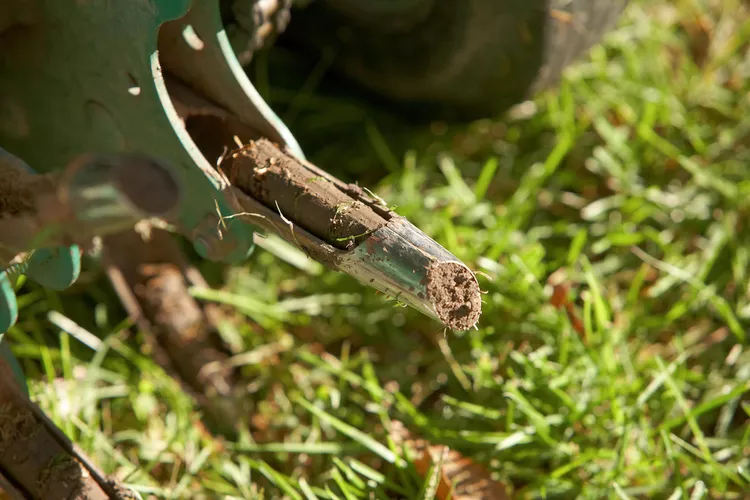
Too much foot traffic can cause compacted soil, limit the growth of grass roots, and result in sparse grass. Aerating the lawn annually loosens up compact soils, but soils that are rich in clay may also need to be amended with compost and other organic matter. You may also want to install garden walkways or stepping stones to reduce foot traffic and prevent further soil compaction.

Improve Drainage to Favor Grass Over Moss

Unlike grass, moss loves lots of moisture, and it can easily take over lawns that stay too wet. Filling in low spots with soil, installing a French drain, or grading can improve poorly draining spots and make landscapes more hospitable to grass. While you’re at it, consider dethatching your lawn to increase airflow around grass roots and install a rain gauge to make sure you don’t overwater your lawn.

Address pH Issues

Turf grass prefers soil pH levels around 6.5 to 7.0, while moss loves acidic conditions. A soil test is the best way to determine if your soil pH levels are too acidic for healthy grass. If they are, a fall application of garden lime may be in order.

Once you’ve addressed the lawn issues, your turf grass should bounce back quickly. However, moss (and other weeds) can still take advantage of bare soil if you let them. To avoid this, sow new grass seed or plant groundcover plants in any bare spots you see, and your grass lawn should look as good as new in no time.
Frequently Asked Questions

  • Do you have to get rid of moss in lawns?

    While some may consider moss to be a nuisance, many gardeners grow moss lawns intentionally. Moss lawns are very low maintenance. They don’t need to be mowed, and they’re good solutions for shady properties where grass won’t thrive.

  • Does vinegar really kill moss?

    Vinegar sprays can kill moss, but they can affect the growth of grass too. For this reason, vinegar sprays are more appropriate for removing moss on garden walkways and other areas where grass and desirable plants aren’t growing.

  • What causes moss to suddenly appear in a lawn?

    Moss appears when lawns are struggling due to low light, drainage issues, compacted soil, or imbalanced soil pH levels. However, when moss appears suddenly, it’s likely due to overwatering or excessive rainfall.

Related Article

How to Aerate Your Lawn for Healthy, Green Grass
27K
2.7K
1K

How to Aerate Your Lawn for Healthy, Green Grass

Learn how to aerate your lawn to encourage lush, verdant grass growth. Tips include when to aerate, methods for aeration, and preparation steps.
How to Get Rid of Moss in the Lawn and Prevent It From Returning
18.9K
189
54

How to Get Rid of Moss in the Lawn and Prevent It From Returning

Skip the herbicides and get rid of moss in the lawn with these eco-friendly tips.
Dog Urine Killing Your Lawn? This Seed Spot Repair Treatment Restores Grass Ruined by Pet Messes
21.8K
436
148

Dog Urine Killing Your Lawn? This Seed Spot Repair Treatment Restores Grass Ruined by Pet Messes

If dog urine is leaving spots in your lawn, the Scotts EZ Seed Dog Spot Repair treatment can restore grass ruined by pets in under one week. It’s easy to apply and only at Amazon.
How to Plant and Grow Lisianthus
40.6K
1.6K
373

How to Plant and Grow Lisianthus

Lisianthus flowers come in various romantic colors and add an elegant touch to any garden or floral arrangement.
4 Simple Ways to Keep Tulips From Drooping in a Vase
13.2K
394
177

4 Simple Ways to Keep Tulips From Drooping in a Vase

Learn how to keep your tulips from drooping with our handy tips, which include use of proper plant food, and flower pairings to avoid. Find out what to do with your vase for tulips to make the most of your blooms.
19 Perennial Plants for Cut Flowers to Fill Your Vases All Season Long
17.6K
1.2K
135

19 Perennial Plants for Cut Flowers to Fill Your Vases All Season Long

Grow these perennials in a cutting garden so you'll always have something to snip for fresh bouquets.
How and When to Plant Daffodil Bulbs to Enjoy Their Cheerful Spring Flowers
28.3K
2.8K
423

How and When to Plant Daffodil Bulbs to Enjoy Their Cheerful Spring Flowers

Learn the best timing and techniques for planting daffodil bulbs.
How to Get Rid of Cucumber Beetles on Your Plants
35.4K
353
102

How to Get Rid of Cucumber Beetles on Your Plants

Have you noticed little bugs on cucumber plants in your garden? Find out how to identify a cucumber beetle and prevent these insects from killing your cucumber, melon, squash, and other crops.
How to Control Japanese Garden Beetles When They Invade Your Yard
32.1K
963
298

How to Control Japanese Garden Beetles When They Invade Your Yard

Use this guide to identify and eliminate the voracious pests that leave plants with tattered foliage and banish their lawn-damaging larvae.
How to Stop Slugs from Chewing Holes in Hosta Leaves
31.9K
319
102

How to Stop Slugs from Chewing Holes in Hosta Leaves

If slugs are waging war on your hostas, fight back with these easy-to-execute strategies.
How to Attract Hummingbird Moths to Your Yard for a Fabulous Show
29.7K
1.5K
370

How to Attract Hummingbird Moths to Your Yard for a Fabulous Show

Hummingbird moths are fascinating to watch. Find out how to attract them to your garden.
8 Insect-Repelling Plants that Work Naturally to Send Bugs Packing
25.2K
1K
221

8 Insect-Repelling Plants that Work Naturally to Send Bugs Packing

Improve your time outdoors with a few strongly scented insect-repelling plants, which can send pesky biting bugs, like mosquitoes and flies, packing.
How to Get Rid of Grasshoppers So They Don't Eat Your Plants
44.1K
1.3K
238

How to Get Rid of Grasshoppers So They Don't Eat Your Plants

Grasshoppers have huge appetites. Use these tips for how to get rid of grasshoppers and keep them from devouring your garden.

8 Expert Tips on How to Keep Squirrels Out of Bird Feeders
21.3K
1.3K
421

8 Expert Tips on How to Keep Squirrels Out of Bird Feeders

These tips from experts on how to keep squirrels out of bird feeders ensure a cleaner outdoor space and only birds at your feeder.
How to Get Rid of Flea Beetles in Your Garden
47.3K
945
103

How to Get Rid of Flea Beetles in Your Garden

Learn how to identify, treat, and prevent flea beetle damage in your garden with this beginner-friendly guide.
How to Plant and Grow a Quaking Aspen Tree
2.1K
146
43

How to Plant and Grow a Quaking Aspen Tree

Quaking aspens are striking as fast-growing windbreaks, screens, and mass plantings. These cold-hardy trees grow almost 5 feet per year.
21 Best Types of Evergreen Shrubs to Grow for Year-Round Color
49.2K
983
432

21 Best Types of Evergreen Shrubs to Grow for Year-Round Color

Count on these low maintenance evergreen shrubs to provide color and structure in the landscape 365 days a year.
6 Must-Know Tips for Pruning Crape Myrtle Trees Correctly
49.1K
491
127

6 Must-Know Tips for Pruning Crape Myrtle Trees Correctly

Use these tips on pruning crape myrtle to ensure you trim with precision, enhancing the health and vibrancy of this flowering tree.
How to Plant and Grow Trumpet Vine
32.5K
1.6K
503

How to Plant and Grow Trumpet Vine

Learn to plant and grow trumpet vine, rugged plants with loads of bright trumpet-like blossoms. Use caution when planting—they're sometimes invasive.
How to Plant and Grow Saybrook Gold Juniper
14.3K
286
42

How to Plant and Grow Saybrook Gold Juniper

Saybrook Gold juniper is a low-growing, spreading shrub with golden-yellow foliage that turns bronze in the winter.