Is Epsom Salt Good for Plants? Here's What an Expert Says

44K
440
79
2025-11-15
Is Epsom Salt Good for Plants? Here's What an Expert Says

Scanning the internet, popular Epsom salt appears to be a one-stop miracle cure for the garden, touted as being able to prevent transplant shock of new plants, act as a fertilizer, and even prevent certain plant diseases. Its wide availability tempts many gardeners to use it. But is Epsom salt good for plants, and should we use it in our gardens? Here's what the research reveals.

Linda Chalker-Scott is a horticulturist and an associate professor at Washington State University.

What is Epsom Salt?

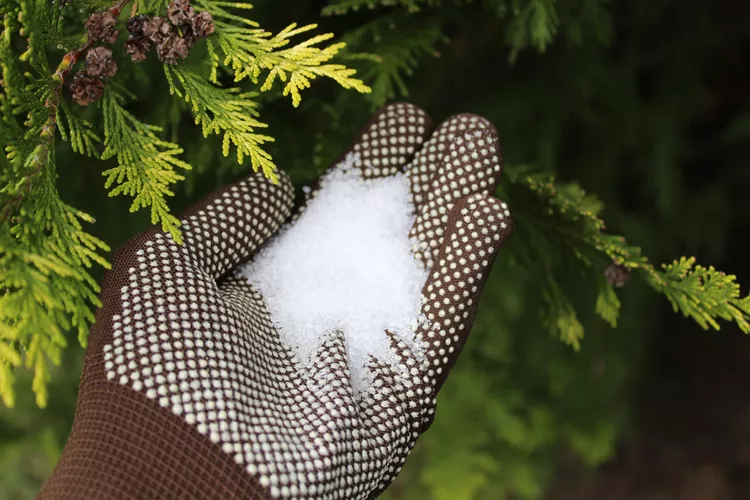
Epsom salt is a naturally occurring mineral compound of magnesium and sulfur known as magnesium sulfate. Magnesium helps form chlorophyll (a green pigment) in leaves, and when levels get low, leaves develop chlorosis, which means they turn yellow. Sulfur builds proteins and in fruit, it is important to flavor. Magnesium sulfate is found in abundance in the soils and springs near Epsom, England, now famous for its spas. Chemically, it is classed as a salt.

We know that rock salt on roadways and sidewalks can damage plants when it seeps into the soil, and most of us wouldn’t pour or spray table salt on our plants. Yet Epsom salt remedies remain popular when planting crops.

Using Epsom Salt for Plants

The idea to use Epsom salt in our gardens was likely borrowed from the farming industry. According to a study by Linda Chalker-Scott, an associate professor at Washington State University, farmers discovered in the 1940s that applications of magnesium sulfate would help “green up” leaves where the soils have become depleted of magnesium from overuse.

But applying Epsom salt to plants in your garden is likely to do much more harm than good, Chalker-Scott points out. “There are many online recipes for using Epsom salt as a fertilizer, to treat physiological problems, such as blossom end rot, and to prevent transplant shock,” she says. “None of these recipes are based on science, and their use could create soil nutrient imbalances and cause substantial injury to plants.”

According to Chalker-Scott’s research study, using excess magnesium sulfate can impact not just plants, but your soil and surrounding waterways, causing the following problems:

  • salt injury to plants
  • deficiencies of boron, iron, potassium, calcium, and manganese
  • a reduction in nitrogen-fixing bacteria
  • a release of toxic aluminum from the soil, which can poison plants and pollute waterways

Epsom Salt as Fertilizer

Epsom salt is promoted as a fertilizer because it contains magnesium and sulfate, both important nutrients supporting plant growth. Soil deficiencies of both these elements are rare in gardens, especially of sulfur. Some sandy and acidic locations can lose magnesium in heavy rains. 

Likewise, when plant leaves turn yellow, you may reach for a homemade spray of Epsom salt and water as a fast fix. Many conditions can cause yellowing leaves, so Epsom salts may not help and can be harmful.

Magnesium deficiency has a particular look: The leaf veins remain green while the surrounding tissue yellows. If your plant matches that description, spraying leaves may return their lush color, but will not fix the underlying soil deficiency. If your spray is too strong, it can cause salt injury, burning the plant.

Epsom Salt for Blossom End Rot

Another popular use of Epsom salt is to prevent or cure blossom-end rot in tomato plants. Blossom-end rot is the culprit behind icky dark soft blotches on the base of tomato fruits. It usually occurs early in the season, triggered by insufficient calcium uptake.

However, Epsom salt doesn’t contain calcium or improve its uptake. Also, the condition is typically brought on by erratic watering which blocks existing calcium, so adding calcium wouldn’t address the core issue. In addition, since excess magnesium sulfate can decrease calcium availability, adding Espom salt can even make the problem worse.

Epsom Salt for Weeds

Epsom salts are sometimes recommended as a home remedy weed killer. Epsom salt can kill weeds in high concentrations, which indicates how dangerous it is for desired plants as well as unwanted ones. However, such a spray is likely to damage your soil and its organisms too, which will make it harder to grow plants you do want in the area.

Test Your Soil

Before you add Epsom salt to your garden, test your soil. Many counties’ agricultural extension offices offer this service for residents, or you can send samples to a private soil testing agency. Then follow the report’s recommendations for amending soil at the proper application rate for your space. The only reason to use Epsom salt would be if your soil has a diagnosed deficiency, which is not common within home gardens.

The best way to nurture healthy, nutrient-rich soil is with annual applications of compost. Supplementing with a slow-release organic fertilizer is usually sufficient to keep fast-growing annual plants thriving.

The bottom line, says Chalker-Scott, is, “[Epsom salt] should not be added unless a soil test indicates a deficiency in magnesium." And even then, she cautions that, "Adding too much of any nutrient can cause damage to soils and plants.”
Sources
Better Homes & Gardens is committed to using high-quality, reputable sources—including peer-reviewed studies—to support the facts in our articles. Read about our editorial policies and standards to learn more about how we fact check our content for accuracy.
  1. Chalker-Scott L, Guggenheim R. Epsom Salt Use in Home Gardens and Landscapes. Washington State University Extension.

Related Article

How to Aerate Your Lawn for Healthy, Green Grass
27K
2.7K
1K

How to Aerate Your Lawn for Healthy, Green Grass

Learn how to aerate your lawn to encourage lush, verdant grass growth. Tips include when to aerate, methods for aeration, and preparation steps.
How to Get Rid of Moss in the Lawn and Prevent It From Returning
18.9K
189
54

How to Get Rid of Moss in the Lawn and Prevent It From Returning

Skip the herbicides and get rid of moss in the lawn with these eco-friendly tips.
Dog Urine Killing Your Lawn? This Seed Spot Repair Treatment Restores Grass Ruined by Pet Messes
21.8K
436
148

Dog Urine Killing Your Lawn? This Seed Spot Repair Treatment Restores Grass Ruined by Pet Messes

If dog urine is leaving spots in your lawn, the Scotts EZ Seed Dog Spot Repair treatment can restore grass ruined by pets in under one week. It’s easy to apply and only at Amazon.
How to Plant and Grow Lisianthus
40.6K
1.6K
373

How to Plant and Grow Lisianthus

Lisianthus flowers come in various romantic colors and add an elegant touch to any garden or floral arrangement.
4 Simple Ways to Keep Tulips From Drooping in a Vase
13.2K
394
177

4 Simple Ways to Keep Tulips From Drooping in a Vase

Learn how to keep your tulips from drooping with our handy tips, which include use of proper plant food, and flower pairings to avoid. Find out what to do with your vase for tulips to make the most of your blooms.
19 Perennial Plants for Cut Flowers to Fill Your Vases All Season Long
17.6K
1.2K
135

19 Perennial Plants for Cut Flowers to Fill Your Vases All Season Long

Grow these perennials in a cutting garden so you'll always have something to snip for fresh bouquets.
How and When to Plant Daffodil Bulbs to Enjoy Their Cheerful Spring Flowers
28.3K
2.8K
423

How and When to Plant Daffodil Bulbs to Enjoy Their Cheerful Spring Flowers

Learn the best timing and techniques for planting daffodil bulbs.
How to Get Rid of Cucumber Beetles on Your Plants
35.4K
353
102

How to Get Rid of Cucumber Beetles on Your Plants

Have you noticed little bugs on cucumber plants in your garden? Find out how to identify a cucumber beetle and prevent these insects from killing your cucumber, melon, squash, and other crops.
How to Control Japanese Garden Beetles When They Invade Your Yard
32.1K
963
298

How to Control Japanese Garden Beetles When They Invade Your Yard

Use this guide to identify and eliminate the voracious pests that leave plants with tattered foliage and banish their lawn-damaging larvae.
How to Stop Slugs from Chewing Holes in Hosta Leaves
31.9K
319
102

How to Stop Slugs from Chewing Holes in Hosta Leaves

If slugs are waging war on your hostas, fight back with these easy-to-execute strategies.
How to Attract Hummingbird Moths to Your Yard for a Fabulous Show
29.7K
1.5K
370

How to Attract Hummingbird Moths to Your Yard for a Fabulous Show

Hummingbird moths are fascinating to watch. Find out how to attract them to your garden.
8 Insect-Repelling Plants that Work Naturally to Send Bugs Packing
25.2K
1K
221

8 Insect-Repelling Plants that Work Naturally to Send Bugs Packing

Improve your time outdoors with a few strongly scented insect-repelling plants, which can send pesky biting bugs, like mosquitoes and flies, packing.
How to Get Rid of Grasshoppers So They Don't Eat Your Plants
44.1K
1.3K
238

How to Get Rid of Grasshoppers So They Don't Eat Your Plants

Grasshoppers have huge appetites. Use these tips for how to get rid of grasshoppers and keep them from devouring your garden.

8 Expert Tips on How to Keep Squirrels Out of Bird Feeders
21.3K
1.3K
421

8 Expert Tips on How to Keep Squirrels Out of Bird Feeders

These tips from experts on how to keep squirrels out of bird feeders ensure a cleaner outdoor space and only birds at your feeder.
How to Get Rid of Flea Beetles in Your Garden
47.3K
945
103

How to Get Rid of Flea Beetles in Your Garden

Learn how to identify, treat, and prevent flea beetle damage in your garden with this beginner-friendly guide.
How to Plant and Grow a Quaking Aspen Tree
2.1K
146
43

How to Plant and Grow a Quaking Aspen Tree

Quaking aspens are striking as fast-growing windbreaks, screens, and mass plantings. These cold-hardy trees grow almost 5 feet per year.
21 Best Types of Evergreen Shrubs to Grow for Year-Round Color
49.2K
983
432

21 Best Types of Evergreen Shrubs to Grow for Year-Round Color

Count on these low maintenance evergreen shrubs to provide color and structure in the landscape 365 days a year.
6 Must-Know Tips for Pruning Crape Myrtle Trees Correctly
49.1K
491
127

6 Must-Know Tips for Pruning Crape Myrtle Trees Correctly

Use these tips on pruning crape myrtle to ensure you trim with precision, enhancing the health and vibrancy of this flowering tree.
How to Plant and Grow Trumpet Vine
32.5K
1.6K
503

How to Plant and Grow Trumpet Vine

Learn to plant and grow trumpet vine, rugged plants with loads of bright trumpet-like blossoms. Use caution when planting—they're sometimes invasive.
How to Plant and Grow Saybrook Gold Juniper
14.3K
286
42

How to Plant and Grow Saybrook Gold Juniper

Saybrook Gold juniper is a low-growing, spreading shrub with golden-yellow foliage that turns bronze in the winter.