How to Aerate Your Lawn for Healthy, Green Grass

27K
2.7K
1K
2025-11-12
How to Aerate Your Lawn for Healthy, Green Grass

Mowing, watering, weeding, fertilization, and pest control are common yard maintenance practices, but aeration is a basic lawn care step many people skip. Although the job can be tedious, it's not difficult, and the benefits of aeration—green, healthy grass—are worth the time and effort.

The goal of aerating a lawn is to perforate the soil with small holes so air, water, and fertilizer can more easily reach grass roots. Several methods and tools are used to accomplish the task manually or mechanically. When deciding how to aerate your lawn, consider your yard size, grass type, and budget.

Why Aerate Your Lawn?

Over time, soil—especially clay—tends to compact and harden due to foot traffic, mowing, and poor drainage. This prevents water, oxygen, and nutrients from reaching the hungry roots of your grass. As a result, your lawn becomes thin, pale, and patchy. Lawn aeration breaks up hard soil so the grass roots can feed more easily. When determining how to aerate your lawn, consider two basic types of aerators:

  • Spike aerators, which poke holes into the soil
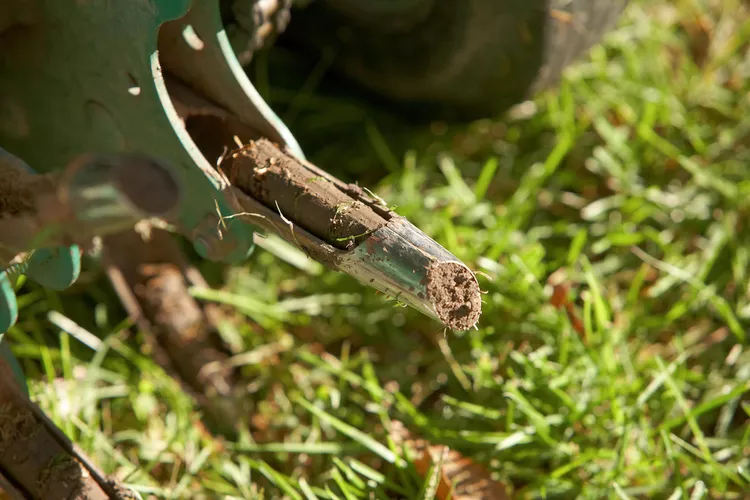
  • Plug aerators, which remove a plug of soil and grass

Both break up hardened ground, but plug aerators are more effective.

When to Aerate Your Lawn

The best time to use aeration equipment depends on your grass type. Cool-season grasses, such as fescue, bluegrass, or ryegrass, should be aerated in early spring or early fall. Warm-season turf, including Bermuda grass, zoysia, or St. Augustine, does best with aeration in the late spring.

Regardless of your lawn's grass type, do not aerate the lawn within one year of planting grass seed or sod. Seedlings need time to reach maturity before being able to withstand aeration.

How to Aerate Your Lawn Manually

Large stretches of grass require mechanical aerator tools, but a handheld (or worn-on-the-foot) aerator will work for smaller landscapes. There are several types of manual aerators: aerator shoes, handheld aerators, and manual drum aerators.

Aerator Shoes

Aerator shoes with sturdy metal buckles are a great budget-friendly choice for small yards. The lawncare tool straps on over regular footwear and has sharp spikes beneath the soles that poke holes in your yard as you walk across your grass. Penetrate the turf thoroughly by making multiple passes over your lawn in different directions.

Handheld Aerators

Handheld aerators come in various configurations, but most resemble a pitchfork. The manual tool is generally a spike aerator, but some handheld aerators are designed to remove plugs. Using a handheld aerator is simple but tiring: Stab the spikes deeply into the grass, pull the tool out of the soil, and repeat, taking care to cover the entire lawn. Consider investing in an aerator with a foot bar for extra leverage.

Manual Drum Aerators

Manual drum aerators, sometimes called lawn spikers, are spike- or blade-covered heavy drums with long handles. Push the drum aerator across your lawn, making at least two complete circuits in different directions. Most manual drum aerators are spike lawn tools, but some are plug aerators.

How to Aerate Your Lawn Mechanically

Consider mechanical tools to aerate your lawn more quickly and efficiently. Mechanical aeration methods are ideal for large yards and are a good choice if you have concerns about hurting your back. These heavy-duty aerators usually remove plugs of soil and grass, which is the best method of lawn aeration. Lawn aerator rental is available at many garden centers and home improvement stores as an alternative to purchasing a tool.

Pull-behind Aerators

Pull-behind aerators look like manual drum aerators, but rather than you pushing the tool, a riding lawn mower does the work. Pull-behind aerators are generally heavier and spikier than manual lawn aerators, more effectively executing the task.

Gas-powered Aerators

Gas-powered aerators look like lawnmowers, but instead of spinning blades that cut grass, they have spinning spikes that aerate the soil. Some multi-functional models contain a dethatcher drum for added convenience, capturing the organic debris that builds up between the aerator and soil.

Tips for Aerating Your Lawn

A few tips for how to aerate your lawn will come in handy, regardless of the aeration method and tool you choose.

Preparation

A few days before aeration, rake up any fallen leaves or debris. Mow your grass to about half its usual height and water it well. Mark the locations of sprinkler heads and other small in-ground obstacles with flags or chalk.

During Aeration

Aerate the lawn using your chosen tool. If it's a spike aerator, make at least two passes over the yard, each in a different direction. If using a plug aerator, one pass is sufficient.

Aftercare

Leave any soil plugs on the lawn; they will return nutrients to the ground as they decompose. Fertilize your lawn or apply a top dressing of compost. This is also a good time to reseed any bare patches. Return to watering and mowing your lawn according to your regular schedule.

Frequently Asked Questions

  • How often should you aerate your lawn?

    You should aerate your lawn at least once a year. Heavily used yards and landscapes with clay soil should be aerated more often.

  • Can you water and fertilize your lawn after aeration?

    Yes, you can water and fertilize your lawn after aeration. In fact, newly aerated holes give water and fertilizer the most direct path to grass roots.

  • Can underground utility lines, pipes, or wires be damaged during aeration?

    Utility lines and pipes are generally buried deep enough to avoid damage during aeration. Wires and underground sprinkler systems, however, are potentially at risk. Use flags to mark hidden objects, helping you avoid them when aerating your lawn.

Related Article

How to Aerate Your Lawn for Healthy, Green Grass
27K
2.7K
1K

How to Aerate Your Lawn for Healthy, Green Grass

Learn how to aerate your lawn to encourage lush, verdant grass growth. Tips include when to aerate, methods for aeration, and preparation steps.
How to Get Rid of Moss in the Lawn and Prevent It From Returning
18.9K
189
54

How to Get Rid of Moss in the Lawn and Prevent It From Returning

Skip the herbicides and get rid of moss in the lawn with these eco-friendly tips.
Dog Urine Killing Your Lawn? This Seed Spot Repair Treatment Restores Grass Ruined by Pet Messes
21.8K
436
148

Dog Urine Killing Your Lawn? This Seed Spot Repair Treatment Restores Grass Ruined by Pet Messes

If dog urine is leaving spots in your lawn, the Scotts EZ Seed Dog Spot Repair treatment can restore grass ruined by pets in under one week. It’s easy to apply and only at Amazon.
How to Plant and Grow Lisianthus
40.6K
1.6K
373

How to Plant and Grow Lisianthus

Lisianthus flowers come in various romantic colors and add an elegant touch to any garden or floral arrangement.
4 Simple Ways to Keep Tulips From Drooping in a Vase
13.2K
394
177

4 Simple Ways to Keep Tulips From Drooping in a Vase

Learn how to keep your tulips from drooping with our handy tips, which include use of proper plant food, and flower pairings to avoid. Find out what to do with your vase for tulips to make the most of your blooms.
19 Perennial Plants for Cut Flowers to Fill Your Vases All Season Long
17.6K
1.2K
135

19 Perennial Plants for Cut Flowers to Fill Your Vases All Season Long

Grow these perennials in a cutting garden so you'll always have something to snip for fresh bouquets.
How and When to Plant Daffodil Bulbs to Enjoy Their Cheerful Spring Flowers
28.3K
2.8K
423

How and When to Plant Daffodil Bulbs to Enjoy Their Cheerful Spring Flowers

Learn the best timing and techniques for planting daffodil bulbs.
How to Get Rid of Cucumber Beetles on Your Plants
35.4K
353
102

How to Get Rid of Cucumber Beetles on Your Plants

Have you noticed little bugs on cucumber plants in your garden? Find out how to identify a cucumber beetle and prevent these insects from killing your cucumber, melon, squash, and other crops.
How to Control Japanese Garden Beetles When They Invade Your Yard
32.1K
963
298

How to Control Japanese Garden Beetles When They Invade Your Yard

Use this guide to identify and eliminate the voracious pests that leave plants with tattered foliage and banish their lawn-damaging larvae.
How to Stop Slugs from Chewing Holes in Hosta Leaves
31.9K
319
102

How to Stop Slugs from Chewing Holes in Hosta Leaves

If slugs are waging war on your hostas, fight back with these easy-to-execute strategies.
How to Attract Hummingbird Moths to Your Yard for a Fabulous Show
29.7K
1.5K
370

How to Attract Hummingbird Moths to Your Yard for a Fabulous Show

Hummingbird moths are fascinating to watch. Find out how to attract them to your garden.
8 Insect-Repelling Plants that Work Naturally to Send Bugs Packing
25.2K
1K
221

8 Insect-Repelling Plants that Work Naturally to Send Bugs Packing

Improve your time outdoors with a few strongly scented insect-repelling plants, which can send pesky biting bugs, like mosquitoes and flies, packing.
How to Get Rid of Grasshoppers So They Don't Eat Your Plants
44.1K
1.3K
238

How to Get Rid of Grasshoppers So They Don't Eat Your Plants

Grasshoppers have huge appetites. Use these tips for how to get rid of grasshoppers and keep them from devouring your garden.

8 Expert Tips on How to Keep Squirrels Out of Bird Feeders
21.3K
1.3K
421

8 Expert Tips on How to Keep Squirrels Out of Bird Feeders

These tips from experts on how to keep squirrels out of bird feeders ensure a cleaner outdoor space and only birds at your feeder.
How to Get Rid of Flea Beetles in Your Garden
47.3K
945
103

How to Get Rid of Flea Beetles in Your Garden

Learn how to identify, treat, and prevent flea beetle damage in your garden with this beginner-friendly guide.
How to Plant and Grow a Quaking Aspen Tree
2.1K
146
43

How to Plant and Grow a Quaking Aspen Tree

Quaking aspens are striking as fast-growing windbreaks, screens, and mass plantings. These cold-hardy trees grow almost 5 feet per year.
21 Best Types of Evergreen Shrubs to Grow for Year-Round Color
49.2K
983
432

21 Best Types of Evergreen Shrubs to Grow for Year-Round Color

Count on these low maintenance evergreen shrubs to provide color and structure in the landscape 365 days a year.
6 Must-Know Tips for Pruning Crape Myrtle Trees Correctly
49.1K
491
127

6 Must-Know Tips for Pruning Crape Myrtle Trees Correctly

Use these tips on pruning crape myrtle to ensure you trim with precision, enhancing the health and vibrancy of this flowering tree.
How to Plant and Grow Trumpet Vine
32.5K
1.6K
503

How to Plant and Grow Trumpet Vine

Learn to plant and grow trumpet vine, rugged plants with loads of bright trumpet-like blossoms. Use caution when planting—they're sometimes invasive.
How to Plant and Grow Saybrook Gold Juniper
14.3K
286
42

How to Plant and Grow Saybrook Gold Juniper

Saybrook Gold juniper is a low-growing, spreading shrub with golden-yellow foliage that turns bronze in the winter.