As temperatures drop in autumn, it's time to start preparing gardens for winter. It may seem like not much is happening in your yard as the weather cools. However, a lot is going on in the soil until it freezes. This is especially true for newly planted trees and shrubs, divisions of perennials, and hardy spring bulbs, all busily growing roots to anchor themselves in the ground. And earthworms and soil microbes are also still at work, processing organic material into nutrients plants need.
While nature has its ways of coping with the colder months, you can do a few things to help prepare your plants for winter.
1. Mulch Your Perennials
Perennials return yearly, as long as they are hardy where you live. Hardy plants won't require much effort from you to prepare them for winter. But if your area gets a lot of freezing and thawing through the season, watch out for frost heaving. This means the soil actually pushes plants out of the ground, especially new plants that don't have a lot of roots yet.
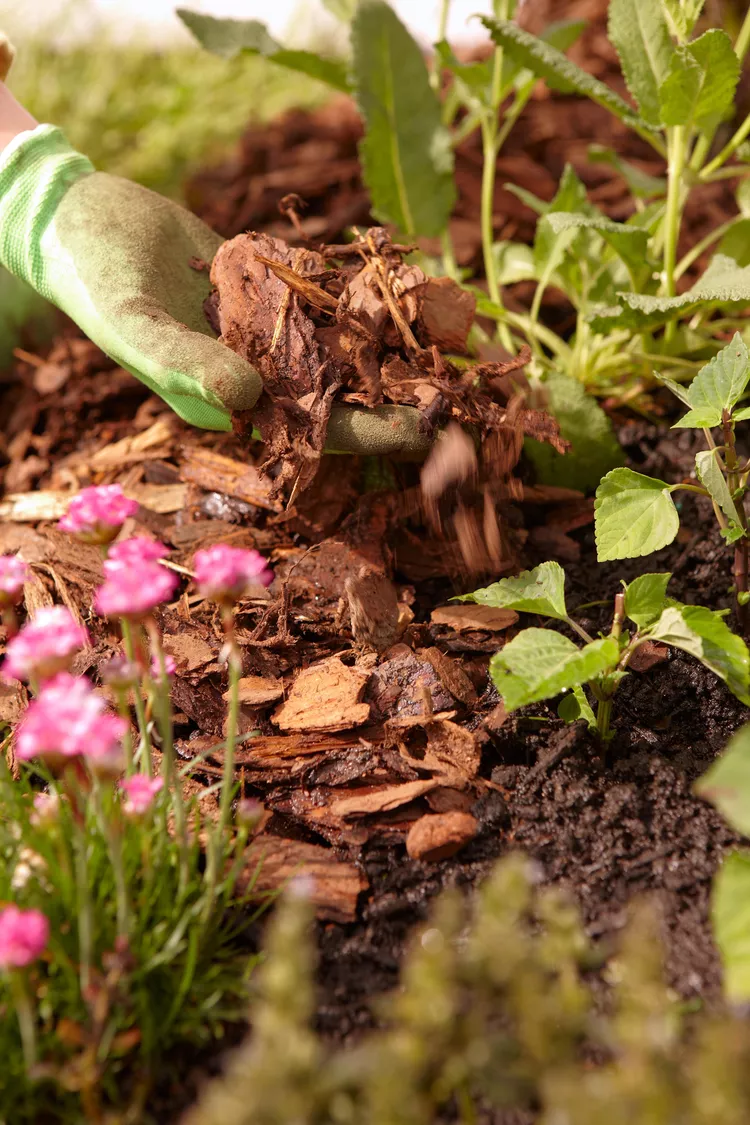
To prevent frost heaving, add a 6-inch-thick layer of chopped leaves, straw, or other mulch around your perennials once the ground has frozen. This will help moderate the soil temperature, especially if your area doesn't always have snow covering the ground throughout winter. Remove the mulch in spring once the weather warms up.
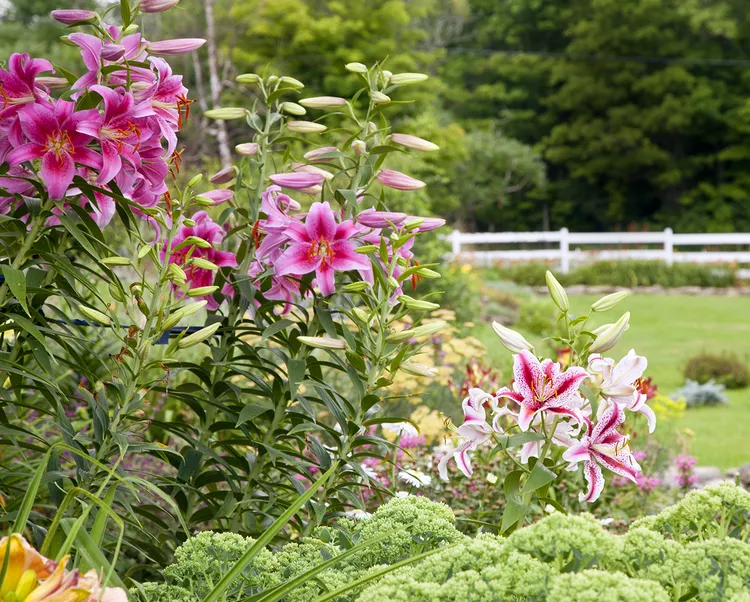
Sometimes the plant's dead leaves help protect its crown and roots from the cold, so when preparing a garden for winter, leave them in place until next spring. Many perennials (such as sedums, purple coneflowers, and ornamental grasses) have forms that look pretty through winter. Plus, their seeds help feed birds and other wildlife.
If you prefer a tidier garden, it's fine to cut your perennials to the ground after frost has withered their leaves. Just make sure to add a layer of mulch to help protect them.
2. Protect Annuals from Frost
Unlike perennials that return each year, annuals live only one season in the garden and can't survive freezing temperatures. Some are known as cool-season annuals, meaning they prefer to grow and bloom when temperatures are cooler. These include ornamental kale, blue lobelia, and snapdragons. Warm-season annuals, on the other hand, like it hot. Zinnias, French marigolds, and impatiens fall into this category.
You can extend the life of both types of annuals by keeping old sheets or floating row covers handy to cover them during light frosts. Continue to water annuals until freezing temperatures kill them. If your annuals are in containers, move them into a garage or other protected space when temperatures are forecast to dip into the 40s overnight. You can do this until daytime temperatures no longer rise above that threshold.
3. Dig Up Tender Bulbs
Fall is the time to plant hardy spring-blooming bulbs, but there are other types of plants known as tender bulbs. These include popular summer bloomers like gladiolus, cannas, and dahlias. If you live where the ground freezes, these tropical plants won't survive the winter. But you can bring them indoors if you want to save these plants for another year.
Wait until after frost has turned the leaves brown, then gently dig up the bulbs or tubers. Cut away the leaves and brush off as much soil as possible. Avoid washing with water because the dampness can cause the bulbs to rot during storage. Instead, let them dry out in the open in a cool spot for about a week.
Label them, so you'll remember what they are. One trick is to write the name on them with a permanent marker, as shown here with dahlia tubers. Then, pack them in a breathable container, such as a cardboard box. Cover them in sawdust or old newspapers, so bulbs don't touch, and place them in a garage, basement, or other location that'll stay below 45°F but not freeze.
4. Pamper Trees and Shrubs
Your trees and shrubs will have an easier time getting through winter if you ensure they're in good shape. For both evergreen and deciduous species, one of the most important things is to give them plenty of water before the ground freezes, especially if autumn has been dry.
For trees and shrubs planted in the fall, spread organic material, such as chopped leaves, up to 6 inches thick around the base, making sure the mulch doesn't touch the stems. This helps keep moisture in the soil (plants need water even during winter) and protects roots from freezing and thawing.
Trim away damaged or diseased limbs to prevent snow and wind from worsening these problems. For young evergreens in exposed locations, shield them from drying winter wind with burlap screens or shade cloth shelters.
5. Bundle Up Your Roses
Roses are so beautiful that it's difficult to begrudge them the attention they require over the growing season. As cool weather brings on their dormant period, one final job remains for you: getting them ready for winter. Some types of roses are hardier than others, so it's essential to know which kinds you have. As a group, hybrid tea roses are the most vulnerable to winter cold and need the most preparation; the easiest roses to grow and care for are shrub roses.
Make sure to give all your roses plenty of water before the ground freezes, but don't fertilize or cut them back. To protect the root balls from frost heaving, pile up extra soil around their base. In Zone 6 and colder, add a 6- to 12-inch layer of straw, leaves, or other mulch on top of the soil mound, secured with a circle of chicken wire.