4 Topsoil Mistakes That May Be Hindering Your Gardening Success

33K
1.3K
290
2025-11-08
4 Topsoil Mistakes That May Be Hindering Your Gardening Success

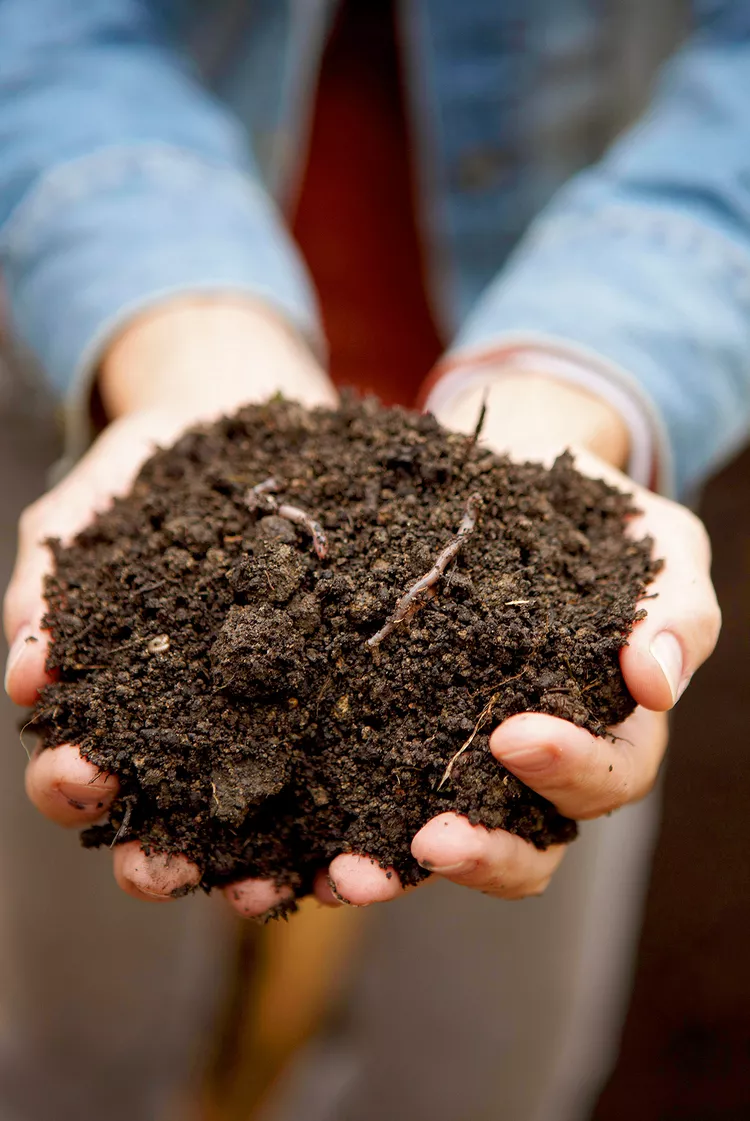
No matter where you garden, it's worth improving the quality of the topsoil you have available. After all, plants rely on topsoil—the uppermost layer of the earth's surface—for water and necessary nutrients. The more organic matter it has, the darker the soil will look (like what you may see sold in bags or bulk as "black dirt"). This type of soil is very easy to dig in and supports healthy plant growth. However, the type of soil actually available in your yard may look very different. Depending on your region, it can vary from reddish clay to beige, sandy soil. Here's what you need to know about improving your topsoil for the best shot at a thriving, plentiful garden.

Topsoil Myths & Misunderstandings

These four common assumptions about topsoil can trip you up, leading you to pay less attention to your topsoil and, thus, harming the success of your garden. Knowing these basics will help you successfully create the best environment you can for your plants.

Topsoil Myth 1: All Topsoil Is Pretty Much the Same

Topsoil can differ dramatically, even in the same yard and from one garden bed to another. All the earth in your yard is made up of sand, silt, and clay in various amounts. The ideal ratio of these three elements allows for good drainage yet holds enough moisture to allow plant roots to access the water they need. Your soil can also vary in pH level, which is a measure of how acidic or alkaline it is; some plants, such as bigleaf hydrangeas, are more affected than others by pH levels, so you may want to tailor your topsoil blend accordingly.

Topsoil Myth 2: The Dirt in My Yard Is Fine the Way It Is

If you recently moved into a home that was previously owned by a skilled gardener, then maybe this is true. But more often than not, the quality of soil around homes—especially newly constructed ones—isn't the best for plants. It takes time to build up high-quality soil that includes generous amounts of decomposed plants, called organic matter. This is a vital component that gives topsoil good drainage, just the right water-holding capacity, and a loose, easy-to-dig quality. It's also important for supporting a healthy soil ecosystem of microbes that help plants grow better.

The quickest way to get great garden soil is to purchase it. You can put a 2- to 3-inch thick layer directly on top of existing soil before planting and just let nature do the rest of the work, or you can till it in. On top of that, you can amend your topsoil further with a couple of inches of compost. This can be costly and involve a lot of labor, but it will ultimately create very productive soil.

Topsoil Myth 3: To Always Have Good Topsoil, I Have to Till It Annually

If you're creating a new garden space and want to till in soil amendments to get everything off to a good start, that's fine. But after that, it's best to avoid disturbing the soil as much as possible. For one thing, turning soil brings weed seeds to the surface where sunlight will stimulate them to sprout, so you'll just be creating more work for yourself to get rid of them. Typically, nature will take care of mixing in organic matter so you really can save yourself the trouble.

Additional tilling may be necessary if your soil becomes very compacted, which means it doesn't have enough tiny air pockets in it that roots require to establish. You can avoid this by staying off your soil, especially when it's wet. If you need to walk into a bed to care for plants, you can avoid compacting the soil by creating a permanent stepping stone path you can use for maintenance or temporarily laying down a sheet of plywood while you work.

Topsoil Myth 4: Rich Soil Never Needs Fertilizer

Plants draw the nutrients they need to grow from the soil they're planted in. Those nutrients usually need to be replenished every so often for the healthiest growth, no matter which type of soil you have. This is especially true for the soil where you grow annual flowers and vegetables, which suck up a lot of nutrients to fuel their rapid growth. Luckily, it's easy (and inexpensive) to restore nutrition to your soil by adding high-quality compost and/or granular or liquid fertilizer products as needed. If you're not sure whether you need to add nutrients, a soil test is a quick way to check. To add nutrients and replace organic matter as it breaks down, add 1 to 2 inches of compost to your garden beds in the fall. That way, you'll be all set come spring and can just add a layer of mulch after cleaning up and planting your beds for the new growing season.
Frequently Asked Questions

  • Where can I use topsoil in my yard?

    Topsoil is a good choice for filling up raised beds, repairing eroded spots, or filling in holes. When planting a new lawn or overseeding a patchy lawn, you can use a thin layer of topsoil to protect the grass seeds as they sprout. Avoid using topsoil to fill containers—It won't drain as well as you need it to in a container and can make your pots very heavy. Instead, stick with potting mix ($9, The Home Depot) for containers and use topsoil in garden beds.

  • Where can I buy topsoil?

    Topsoil is widely available through a variety of sources, including garden centers, nurseries, and home improvement stores. Topsoil is sold by the bag (totaling a cubic foot), or in bulk, which is usually priced by the cubic yard (the price varies based on location and availability). Usually, commercially available topsoil has been screened; this means any extra materials such as small rocks, roots, and debris have been removed.

  • How do I calculate how much topsoil I need?

    If you need to fill a raised bed or install a berm, start by measuring the area's square footage and depth to estimate how many cubic feet of topsoil you'll need. If you're looking to add topsoil to a garden bed, you'll want to buy enough soil to add at least a 2-inch layer. To install a new lawn, plan to spread a layer of 3 to 6 inches of topsoil before sowing seed or laying sod, depending on the quality of your existing soil.

  • What's the best kind of topsoil to buy?

    The best topsoil to buy will depend on what you're using it for. There are different topsoils for gardens and lawns, and there are places where you can have your topsoil custom-blended for your needs. Topsoil should be crumbly and dark, with the aroma of rich, organic, fertile earth. The pH should be between 5.5 and 7.5, though there are some exceptions depending on what you're hoping to grow.

Related Article

How to Aerate Your Lawn for Healthy, Green Grass
27K
2.7K
1K

How to Aerate Your Lawn for Healthy, Green Grass

Learn how to aerate your lawn to encourage lush, verdant grass growth. Tips include when to aerate, methods for aeration, and preparation steps.
How to Get Rid of Moss in the Lawn and Prevent It From Returning
18.9K
189
54

How to Get Rid of Moss in the Lawn and Prevent It From Returning

Skip the herbicides and get rid of moss in the lawn with these eco-friendly tips.
Dog Urine Killing Your Lawn? This Seed Spot Repair Treatment Restores Grass Ruined by Pet Messes
21.8K
436
148

Dog Urine Killing Your Lawn? This Seed Spot Repair Treatment Restores Grass Ruined by Pet Messes

If dog urine is leaving spots in your lawn, the Scotts EZ Seed Dog Spot Repair treatment can restore grass ruined by pets in under one week. It’s easy to apply and only at Amazon.
How to Plant and Grow Lisianthus
40.6K
1.6K
373

How to Plant and Grow Lisianthus

Lisianthus flowers come in various romantic colors and add an elegant touch to any garden or floral arrangement.
4 Simple Ways to Keep Tulips From Drooping in a Vase
13.2K
394
177

4 Simple Ways to Keep Tulips From Drooping in a Vase

Learn how to keep your tulips from drooping with our handy tips, which include use of proper plant food, and flower pairings to avoid. Find out what to do with your vase for tulips to make the most of your blooms.
19 Perennial Plants for Cut Flowers to Fill Your Vases All Season Long
17.6K
1.2K
135

19 Perennial Plants for Cut Flowers to Fill Your Vases All Season Long

Grow these perennials in a cutting garden so you'll always have something to snip for fresh bouquets.
How and When to Plant Daffodil Bulbs to Enjoy Their Cheerful Spring Flowers
28.3K
2.8K
423

How and When to Plant Daffodil Bulbs to Enjoy Their Cheerful Spring Flowers

Learn the best timing and techniques for planting daffodil bulbs.
How to Get Rid of Cucumber Beetles on Your Plants
35.4K
353
102

How to Get Rid of Cucumber Beetles on Your Plants

Have you noticed little bugs on cucumber plants in your garden? Find out how to identify a cucumber beetle and prevent these insects from killing your cucumber, melon, squash, and other crops.
How to Control Japanese Garden Beetles When They Invade Your Yard
32.1K
963
298

How to Control Japanese Garden Beetles When They Invade Your Yard

Use this guide to identify and eliminate the voracious pests that leave plants with tattered foliage and banish their lawn-damaging larvae.
How to Stop Slugs from Chewing Holes in Hosta Leaves
31.9K
319
102

How to Stop Slugs from Chewing Holes in Hosta Leaves

If slugs are waging war on your hostas, fight back with these easy-to-execute strategies.
How to Attract Hummingbird Moths to Your Yard for a Fabulous Show
29.7K
1.5K
370

How to Attract Hummingbird Moths to Your Yard for a Fabulous Show

Hummingbird moths are fascinating to watch. Find out how to attract them to your garden.
8 Insect-Repelling Plants that Work Naturally to Send Bugs Packing
25.2K
1K
221

8 Insect-Repelling Plants that Work Naturally to Send Bugs Packing

Improve your time outdoors with a few strongly scented insect-repelling plants, which can send pesky biting bugs, like mosquitoes and flies, packing.
How to Get Rid of Grasshoppers So They Don't Eat Your Plants
44.1K
1.3K
238

How to Get Rid of Grasshoppers So They Don't Eat Your Plants

Grasshoppers have huge appetites. Use these tips for how to get rid of grasshoppers and keep them from devouring your garden.

8 Expert Tips on How to Keep Squirrels Out of Bird Feeders
21.3K
1.3K
421

8 Expert Tips on How to Keep Squirrels Out of Bird Feeders

These tips from experts on how to keep squirrels out of bird feeders ensure a cleaner outdoor space and only birds at your feeder.
How to Get Rid of Flea Beetles in Your Garden
47.3K
945
103

How to Get Rid of Flea Beetles in Your Garden

Learn how to identify, treat, and prevent flea beetle damage in your garden with this beginner-friendly guide.
How to Plant and Grow a Quaking Aspen Tree
2.1K
146
43

How to Plant and Grow a Quaking Aspen Tree

Quaking aspens are striking as fast-growing windbreaks, screens, and mass plantings. These cold-hardy trees grow almost 5 feet per year.
21 Best Types of Evergreen Shrubs to Grow for Year-Round Color
49.2K
983
432

21 Best Types of Evergreen Shrubs to Grow for Year-Round Color

Count on these low maintenance evergreen shrubs to provide color and structure in the landscape 365 days a year.
6 Must-Know Tips for Pruning Crape Myrtle Trees Correctly
49.1K
491
127

6 Must-Know Tips for Pruning Crape Myrtle Trees Correctly

Use these tips on pruning crape myrtle to ensure you trim with precision, enhancing the health and vibrancy of this flowering tree.
How to Plant and Grow Trumpet Vine
32.5K
1.6K
503

How to Plant and Grow Trumpet Vine

Learn to plant and grow trumpet vine, rugged plants with loads of bright trumpet-like blossoms. Use caution when planting—they're sometimes invasive.
How to Plant and Grow Saybrook Gold Juniper
14.3K
286
42

How to Plant and Grow Saybrook Gold Juniper

Saybrook Gold juniper is a low-growing, spreading shrub with golden-yellow foliage that turns bronze in the winter.